


Industrial pipelines are continuously subjected to pressure, vibration, temperature changes, and mechanical stress. Flexibility is one of the main reasons many industries rely on rubber expansion joints to protect their pipeline systems. These components absorb movement, reduce vibration, and help prevent structural damage during industrial operations.
However, when expansion joints fail, the consequences can be severe. Pipeline leakage, production downtime, equipment damage, and safety hazards can significantly impact industrial performance. Understanding the common causes of failure and the proper prevention methods is essential for maintaining safe and efficient operations.
What Are Rubber Expansion Joints?
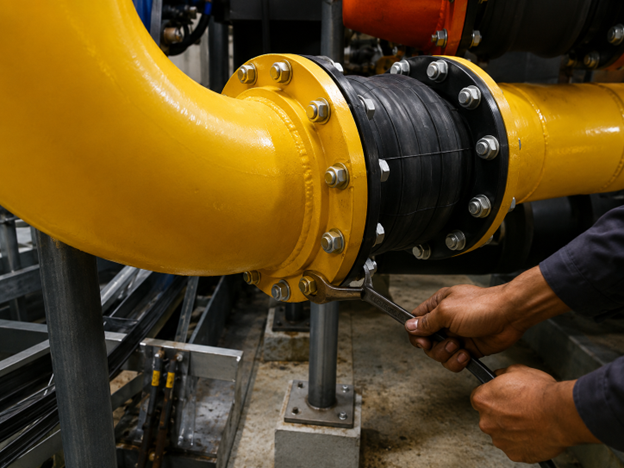
Rubber expansion joints are flexible connectors installed in piping systems to absorb movement caused by thermal expansion, pressure variations, vibration, and equipment movement. They are widely used in:
- Oil and gas facilities
- Water treatment facilities
- HVAC systems
- Chemical processing plants
- Power generation plants
- Industrial manufacturing plants
High-quality expansion joints from a trusted rubber manufacturer supplier can help increase pipeline lifespan and reduce long-term maintenance costs.
Common Causes of Rubber Expansion Joint Failure
Incorrect Installation
One of the main causes of premature expansion joint failure is improper installation. Over-tightening, poor support structures, and pipeline misalignment can place excessive stress on the joint.
Incorrect installation may result in:
- Cracking
- Leakage
- Deformation
- Reduced flexibility
Professional installation ensures proper alignment and long-term reliability.
Excessive Pressure
Industrial pipelines often operate under high internal pressure. When pressure exceeds the expansion joint’s rated capacity, the rubber material may weaken or burst.
Pressure-related failures can cause:
- Sudden leaks
- Equipment shutdowns
- Safety risks for workers
Selecting the correct joint specification is critical for preventing operational damage.
Extreme Temperature Exposure
High temperatures can harden rubber materials, while extremely low temperatures may cause cracking and loss of flexibility. Continuous exposure to harsh industrial conditions accelerates material deterioration.
Industries operating in demanding environments should use heat-resistant and temperature-rated expansion joints designed for their specific applications.
Chemical Corrosion
Certain industrial chemicals can damage rubber compounds over time. If the wrong rubber material is selected, chemical exposure may lead to swelling, weakening, or surface deterioration.
Choosing chemically resistant rubber materials is important for industries handling:
- Acids
- Oils
- Solvents
- Corrosive fluids
Aging and Wear
Like all industrial components, rubber expansion joints naturally degrade over time. Continuous vibration, pressure fluctuations, and environmental exposure slowly reduce material performance.
Common signs of aging include:
- Surface cracks
- Hardening
- Bulging
- Visible wear
- Fluid leakage
Regular inspections help identify early warning signs before major failures occur.
Poor Quality Materials
Low-quality rubber products often fail much faster under industrial operating conditions. Inferior materials may not withstand pressure, temperature changes, or chemical exposure effectively.
Working with an experienced rubber manufacturer supplier helps businesses obtain reliable industrial-grade products that meet safety and performance standards.
Risks of Expansion Joint Failure
Production Downtime
A failed expansion joint can force operations to stop unexpectedly. Downtime in industrial facilities often leads to delayed production schedules and financial losses.
Pipeline Leakage
Damaged joints may cause fluid or gas leakage, creating environmental and operational risks. Leakage can also damage nearby equipment and infrastructure.
Increased Maintenance Costs
Emergency repairs are often more expensive than preventive maintenance. Frequent replacement of failed joints increases long-term operational costs.
Safety Hazards
In industries handling hazardous chemicals, steam, or high-pressure fluids, expansion joint failures can create serious safety threats for employees and surrounding equipment.
How to Prevent Rubber Expansion Joint Failure
Choose the Right Material
Selecting the correct rubber compound based on temperature, pressure, and chemical exposure is essential for long-term performance.
Perform Regular Inspections
Routine maintenance helps identify wear, cracks, misalignment, and leakage before failures become critical.
Avoid Excessive Pressure
Always ensure pipeline operating pressure stays within the recommended capacity of the expansion joint.
Ensure Proper Installation
Professional installation reduces unnecessary stress and improves operational stability.
Replace Worn Components Early
Delaying replacement may increase the risk of major system damage. Replacing aging joints early helps maintain pipeline safety and efficiency.
Conclusion
Rubber expansion joints play a vital role in protecting industrial pipeline systems from damage caused by vibration, movement, and pressure fluctuations. However, poor installation, chemical exposure, excessive pressure, and low-quality materials can lead to serious failures that affect operational performance and workplace safety.
Businesses can reduce maintenance costs, extend equipment lifespan, and ensure smooth industrial operations by choosing high-quality products, performing regular inspections, and working with a reliable rubber manufacturer supplier.
FAQ
1. What causes rubber expansion joints to fail?
Common causes include improper installation, excessive pressure, extreme temperatures, chemical exposure, aging, and poor-quality materials.
2. How often should rubber expansion joints be inspected?
Industrial expansion joints should be inspected regularly as part of preventive maintenance programs, especially in high-pressure or chemical environments.
3. Can damaged expansion joints cause pipeline leakage?
Yes. Cracks, wear, or weakened rubber materials can lead to fluid or gas leakage in industrial pipelines.
4. Why is material selection important for expansion joints?
Different industrial applications require specific rubber compounds to withstand heat, chemicals, pressure, and environmental conditions.
5. How can businesses extend the lifespan of rubber expansion joints?
Proper installation, routine inspections, pressure control, and timely replacement can significantly improve expansion joint durability and performance.