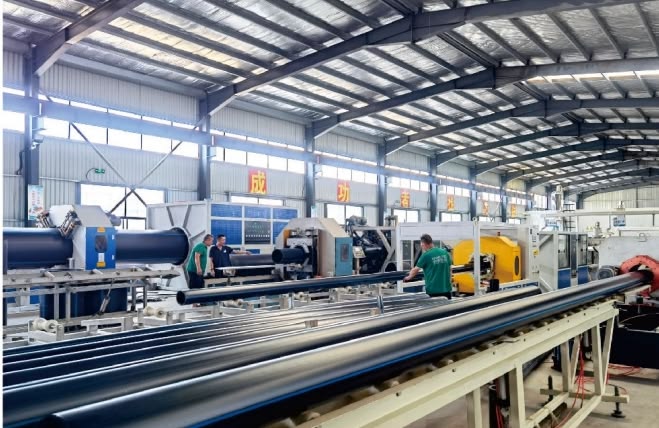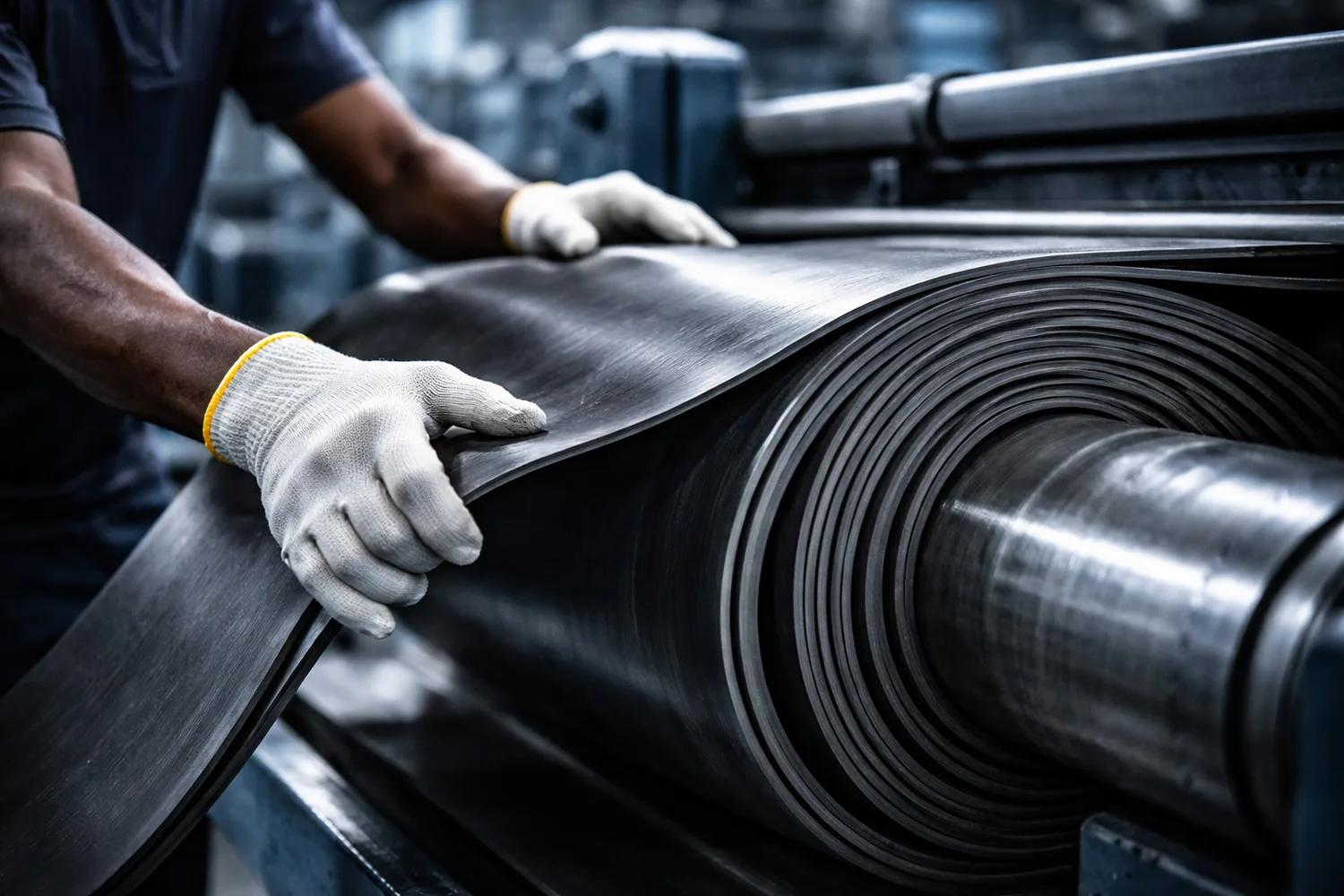


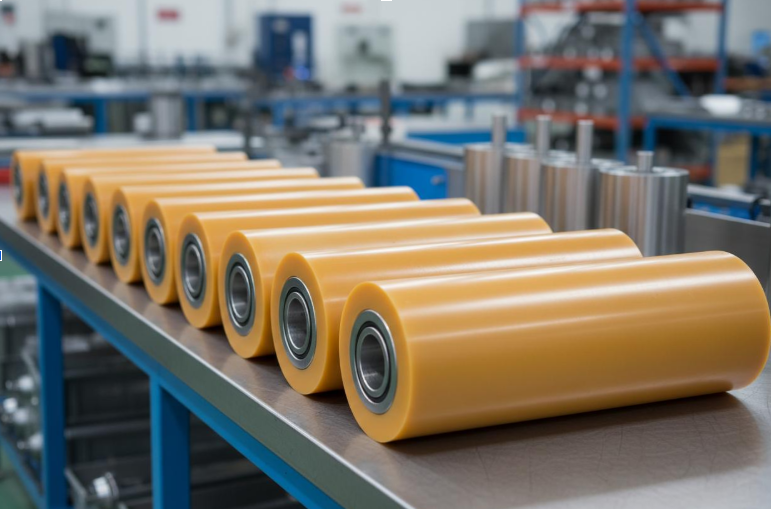
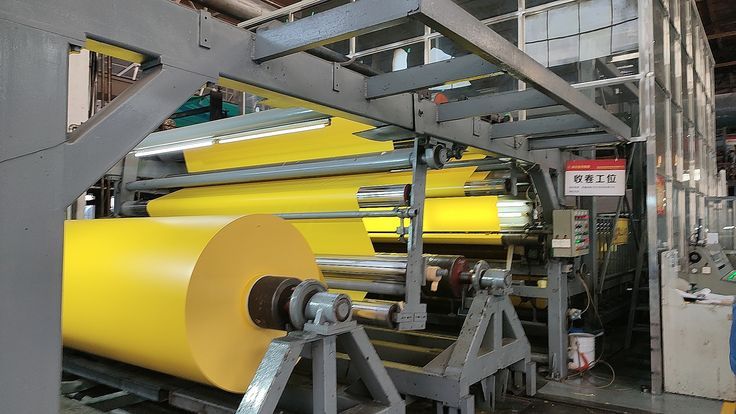
Rubber vs polyurethane for industrial applications is an important consideration for industries looking for reliable, durable, and high-performance materials for heavy-duty operations. Choosing between rubber and polyurethane can directly impact equipment efficiency, maintenance costs, service life, and overall productivity. In this guide, “Rubber vs Polyurethane: Choosing the Right Material for Heavy-Duty Industrial Applications” explores the key differences between these two versatile materials and helps industries understand which option is better suited for demanding environments.
Heavy industrial sectors such as manufacturing, oil and gas, construction, marine, mining, and material handling depend on components that can withstand pressure, abrasion, chemicals, impact, and continuous operation. Both rubber and polyurethane offer excellent performance characteristics, but their properties vary depending on the application requirements.
Selecting the right material is not simply about choosing the strongest option; it requires understanding factors such as operating conditions, load capacity, environmental exposure, and expected lifespan. A professional material selection approach helps businesses reduce downtime, improve equipment protection, and achieve long-term operational efficiency.
Understanding Industrial Rubber and Polyurethane Materials
Industrial rubber and polyurethane are widely used engineering materials designed to improve equipment performance and protect critical components. Although they may appear similar in certain applications, their physical properties and advantages make them suitable for different industrial challenges.
Rubber is known for its excellent flexibility, elasticity, vibration absorption, and resistance to impact. It is commonly used in applications where shock absorption, sealing, insulation, and flexibility are essential.
Polyurethane, on the other hand, combines the flexibility of rubber with enhanced strength and wear resistance. It is especially valued in environments where components face heavy abrasion, repeated impact, and demanding mechanical stress.
Understanding these differences allows industries to select materials that deliver better reliability and cost efficiency.
Key Differences Between Rubber and Polyurethane
1. Durability and Wear Resistance
One of the biggest differences in a rubber vs polyurethane comparison is their ability to withstand wear and tear.
Rubber provides excellent durability in applications involving vibration, compression, and moderate abrasion. It performs effectively in seals, gaskets, mounts, and protective linings.
Polyurethane generally offers superior resistance against abrasion, cutting, and mechanical wear. This makes it ideal for components exposed to continuous friction, such as rollers, conveyor parts, and industrial wheels.
For industries operating heavy machinery, polyurethane can often provide extended service life in high-wear environments.
2. Flexibility and Elasticity
Rubber is highly flexible and can absorb shocks effectively. Its natural elasticity allows it to handle movement, vibration, and repeated deformation without losing performance.
Polyurethane also provides flexibility but with greater structural strength. It maintains its shape better under heavy loads and demanding operating conditions.
Applications requiring maximum flexibility may benefit from rubber, while applications requiring flexibility combined with strength may perform better with polyurethane.
3. Resistance to Chemicals and Environmental Conditions
Industrial components often face exposure to oils, chemicals, moisture, and extreme temperatures.
Rubber materials can provide excellent resistance depending on the rubber type selected. For example, specialized rubber compounds are commonly used for chemical sealing and protective applications.
Polyurethane offers strong resistance to oils, fuels, grease, and many industrial chemicals. It is often preferred in environments where aggressive substances and harsh operating conditions are present.
Choosing the correct material based on environmental exposure helps prevent premature failure.
4. Impact and Load Handling Capability
Heavy industrial equipment requires materials that can handle continuous impact and pressure.
Rubber performs exceptionally well in shock absorption applications because it can absorb energy and reduce vibration transfer.
Polyurethane provides excellent load-bearing capacity and impact resistance, making it suitable for heavy-duty components that experience constant mechanical stress.
Industries must evaluate whether their priority is vibration control or maximum load performance when selecting materials.
Applications of Rubber and Polyurethane in Heavy Industries
Both materials play an important role across multiple industrial sectors.
Common Rubber Applications:
- Rubber lining systems for equipment protection
- Seals and gaskets
- Vibration isolation mounts
- Rubber sheets and protective coverings
- Conveyor belt components
- Industrial hoses
Common Polyurethane Applications:
- Conveyor rollers
- Wear-resistant linings
- Industrial wheels
- Machine components
- Protective coatings
- High-performance engineering parts
The correct choice depends on the specific working environment, equipment requirements, and expected performance level.
Which Material Is Better for Heavy Industrial Applications?
There is no single material that is perfect for every industrial requirement. Rubber and polyurethane each provide unique advantages depending on the application.
Rubber is often the preferred choice when flexibility, vibration control, and shock absorption are the main priorities. It is highly effective for applications where components need to handle movement and repeated compression.
Polyurethane is generally more suitable for industries requiring higher abrasion resistance, longer service life, and improved mechanical performance under extreme conditions.
A detailed assessment of operating conditions, equipment design, and performance expectations is essential before selecting the right solution. Working with an experienced industrial material supplier ensures businesses receive the most suitable material for their specific requirements.
Why Choosing the Right Material Matters for Industrial Performance
Incorrect material selection can lead to frequent replacements, unexpected equipment failures, and increased maintenance expenses. Industrial components must be designed to withstand the exact challenges they face during daily operations.
By selecting the appropriate material, companies can:
- Improve equipment reliability
- Reduce maintenance frequency
- Extend component lifespan
- Increase operational efficiency
- Minimize unexpected downtime
Professional guidance and high-quality manufacturing standards play a crucial role in achieving consistent industrial performance.
How TechSharp Rubber Supports Industrial Material Solutions
Choosing between rubber and polyurethane requires technical knowledge, quality materials, and industry experience. TechSharp Rubber provides reliable industrial rubber and polyurethane solutions designed to meet demanding operational requirements.
With expertise in manufacturing and supplying durable industrial components, TechSharp Rubber helps businesses select materials that deliver performance, protection, and long-term value. Their solutions support industries that require high-quality products capable of handling challenging environments.
Conclusion
Selecting the right material is a critical decision for industries that depend on durability, efficiency, and equipment protection. While rubber provides excellent flexibility, vibration absorption, and reliable performance, polyurethane offers enhanced wear resistance, strength, and durability for demanding applications.
Understanding the differences between these materials helps businesses make smarter decisions based on their operational needs. Rubber vs polyurethane for industrial applications depends on factors such as environment, mechanical stress, expected lifespan, and performance requirements. By choosing the right solution, industries can improve productivity, reduce maintenance costs, and achieve long-term equipment reliability.
Expert Answers to Your Industrial Material Questions
1. What is the main difference between rubber and polyurethane in industrial applications?
The main difference between rubber and polyurethane is their performance characteristics. Rubber is highly flexible and effective for vibration control, sealing, and shock absorption, while polyurethane provides higher resistance to abrasion, wear, and heavy mechanical stress. The right choice depends on the specific application, operating environment, and performance expectations.
2. Is polyurethane more durable than rubber for heavy industrial use?
In many heavy-duty applications, polyurethane offers better durability because of its excellent abrasion resistance and ability to withstand continuous mechanical stress. However, rubber remains the better option for applications requiring high flexibility and vibration absorption. Material selection should always be based on the working conditions and equipment requirements.
3. Which industries commonly use rubber and polyurethane components?
Rubber and polyurethane components are widely used in industries such as oil and gas, manufacturing, marine, construction, mining, transportation, and material handling. These materials help protect machinery, improve operational efficiency, and extend the service life of industrial equipment.
4. How do I choose between rubber and polyurethane for my equipment?
Choosing between rubber and polyurethane depends on factors such as operating conditions, abrasion level, load capacity, and environmental exposure. Selecting the right material helps improve equipment performance, reduce maintenance costs, and extend component lifespan. Learn more about how to choose the right rubber material for industrial applications in Qatar.
5. Can rubber and polyurethane be used together in industrial applications?
Yes, rubber and polyurethane can complement each other in certain industrial applications. Some systems use both materials to achieve a balance between flexibility, protection, durability, and performance. The combination depends on the design requirements and operating conditions.
6. Why is professional material selection important for industrial components?
Professional material selection helps ensure industrial components can withstand operating conditions such as pressure, abrasion, chemicals, and temperature changes. Choosing the right rubber solution improves equipment reliability, reduces maintenance requirements, and extends component lifespan. Learn more about industrial rubber components in Qatar and their types and applications.