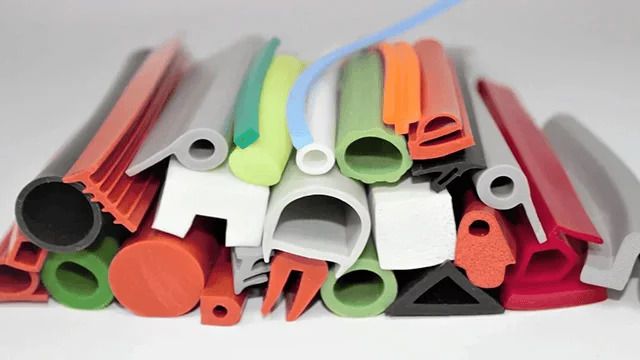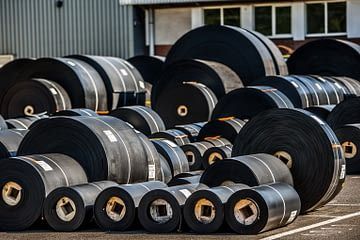


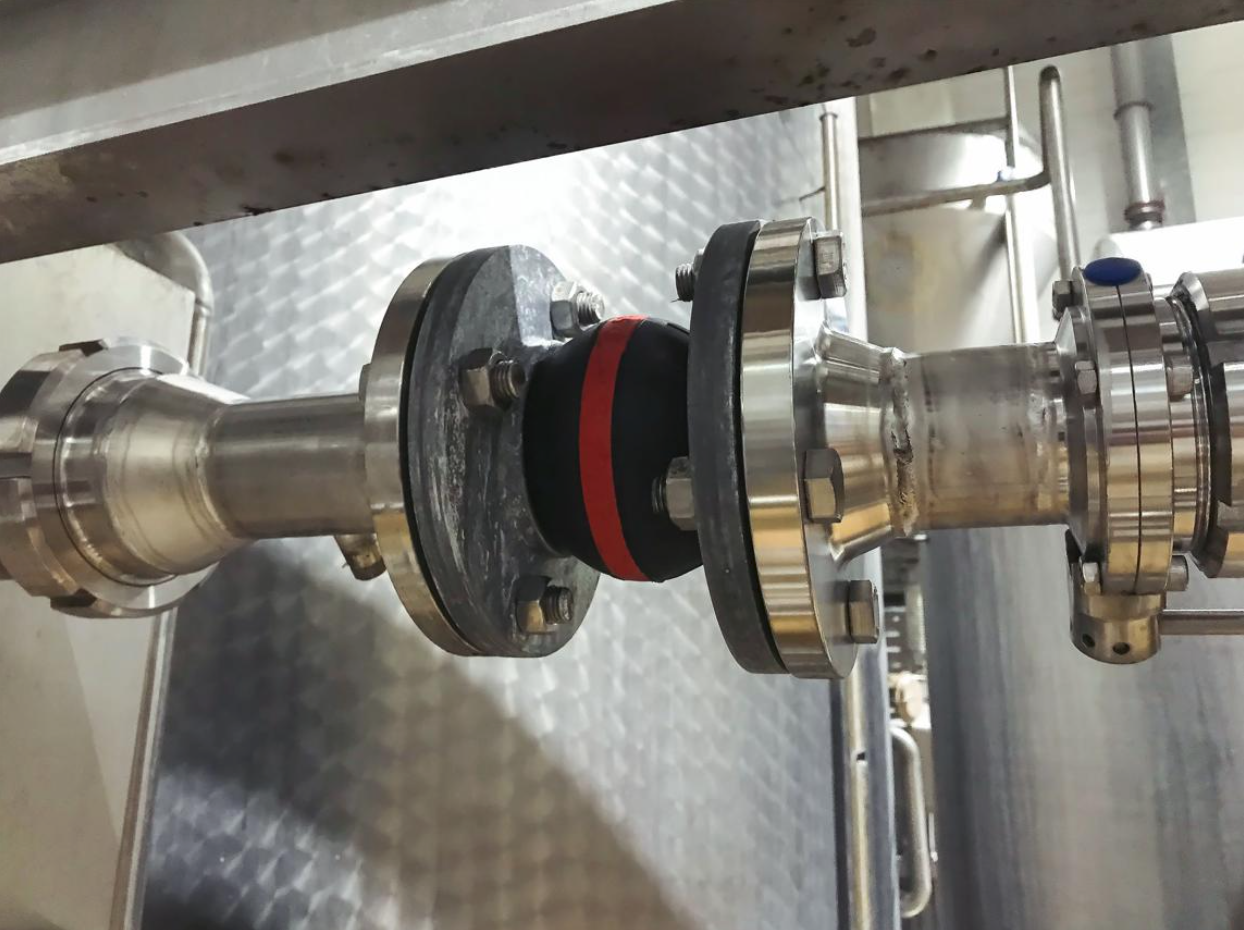
Industrial piping systems are essential for water supply, cooling systems, HVAC installations, chemical processing, and other industrial operations across Qatar. Industrial rubber products can help support different industrial applications where flexibility, durability and protection are required.
Rubber expansion joints for piping systems in Qatar provide a flexible connection that can help manage these movements and reduce the transmission of vibration and noise. When selected and installed according to the piping system's requirements, they can contribute to equipment protection, operational reliability, and reduced maintenance needs.
In this guide, we explore how rubber expansion joints work, where they are used, their benefits, and the factors to consider when sourcing them for industrial applications.
What Are Rubber Expansion Joints?
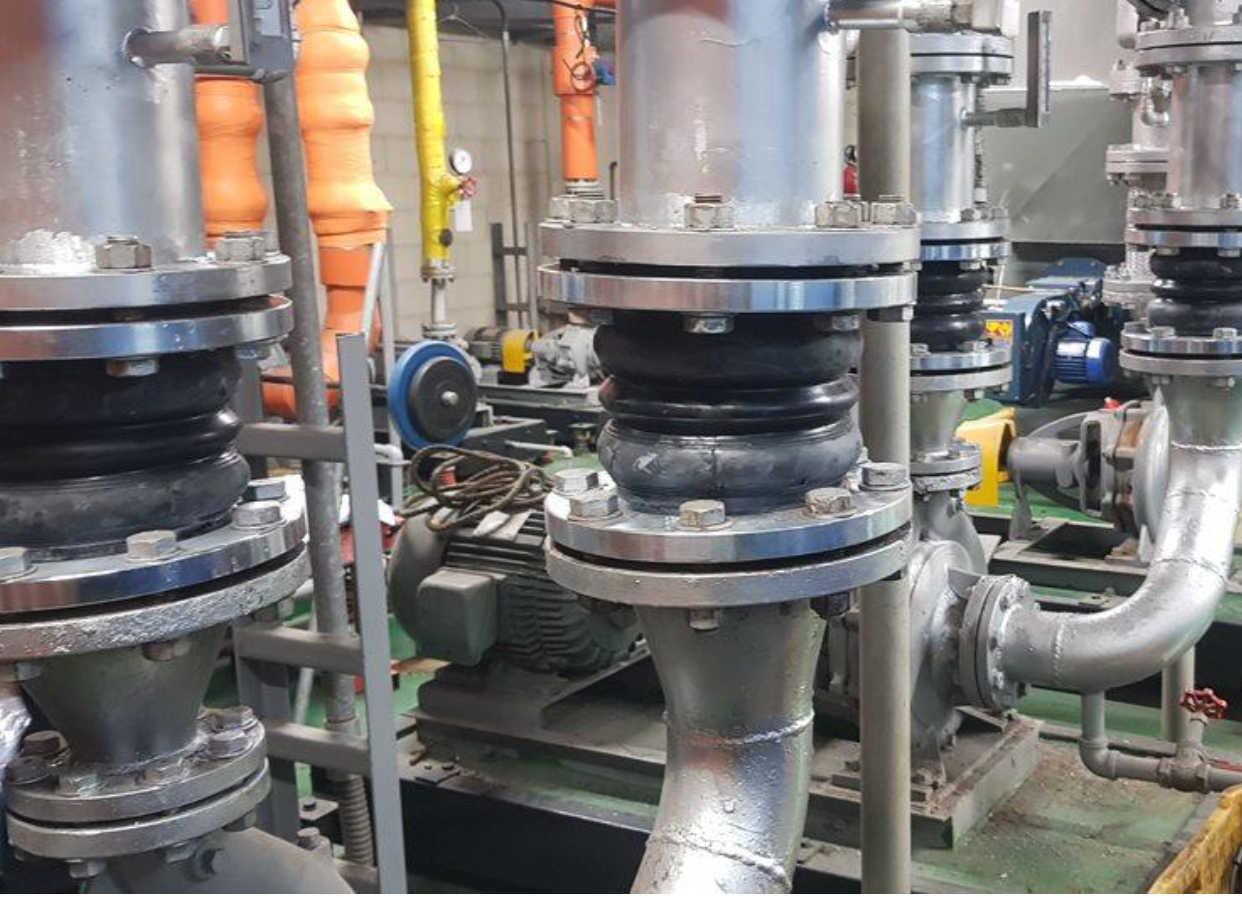
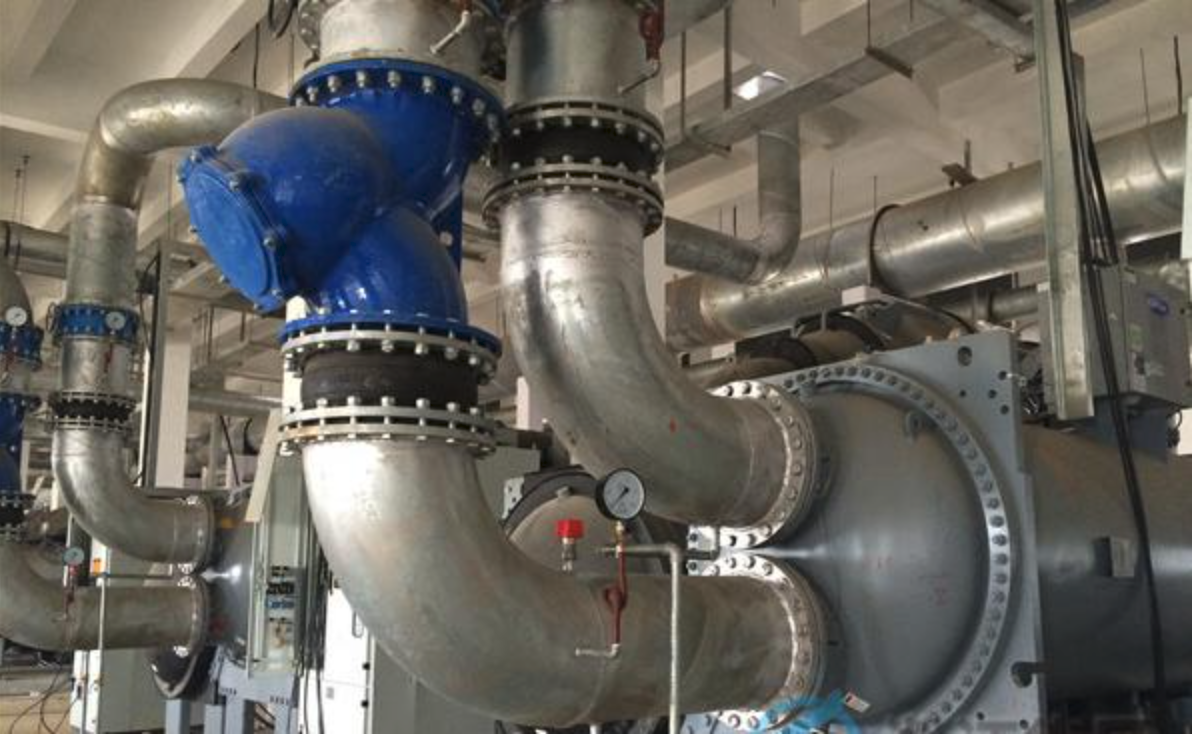
Rubber expansion joints are flexible components installed between sections of a piping system or near connected equipment. They typically consist of a rubber body, reinforced layers, and flanged ends for connection to the pipework.
Unlike rigid pipe connections, these joints allow controlled movement within their design limits. Depending on their construction and application, they may accommodate axial, lateral, and angular movement while helping to isolate vibration.
Rubber expansion joints are available in different sizes, materials, reinforcement configurations, and pressure ratings. The appropriate design depends on the operating conditions and the requirements of the piping system.
Why Are Rubber Expansion Joints Important in Qatar?
Qatar's industrial facilities, commercial buildings, water infrastructure, and cooling installations rely on piping systems that must operate reliably under demanding conditions. Equipment such as pumps, chillers, and compressors can introduce vibration into connected pipework, while temperature changes may cause pipes to expand or contract.
Outdoor installations may also be exposed to intense sunlight, heat, dust, and other environmental conditions. The suitability of a rubber expansion joint therefore depends on its material, design, installation environment, and operating limits.
1. Managing Thermal Expansion and Contraction
Pipes can change in length when their temperature changes. If movement is not properly accommodated, thermal stress may be transferred to pipe supports, flanges, valves, and connected equipment.
A correctly selected rubber expansion joint can accommodate a specified amount of movement and help reduce stress on the piping system.
2. Reducing Vibration and Noise
Pumps, compressors, fans, and other rotating equipment can transmit vibration through rigid pipework. Rubber expansion joints can help isolate or dampen some of this vibration, reducing the transmission of mechanical disturbances.
They are particularly useful in applications where vibration control is an important part of piping design.
3. Accommodating Pipe Movement
Industrial pipework may experience movement caused by thermal changes, equipment operation, structural movement, or installation tolerances.
Depending on its design, a rubber expansion joint can accommodate limited lateral, axial, or angular movement. The permitted movement must always be checked against the manufacturer's specifications.
4. Helping Protect Connected Equipment
Excessive mechanical stress and vibration can affect pumps, valves, flanges, and other components. A properly engineered flexible connection can help reduce the loads transmitted to connected equipment.
However, expansion joints are not a substitute for correct pipe supports, anchors, guides, and proper system design.
Common Applications of Rubber Expansion Joints

1. Water Supply and Pumping Systems
Rubber expansion joints are used in water pipelines and pumping installations to help manage vibration, movement, and mechanical stress around pumps and connected pipework.

2. HVAC and Chilled Water Systems
In commercial buildings and cooling facilities, rubber expansion joints may be installed in chilled-water pipework and near pumps or chillers to help isolate vibration and accommodate movement.

3. Industrial Cooling Systems
Cooling-water networks in industrial facilities can experience movement and vibration during operation. Suitable expansion joints can help manage these effects within the limits of the system design.

4. Chemical and Process Industries
Rubber expansion joints may be used in selected chemical and process piping applications. The rubber compound must be compatible with the transported fluid, temperature, and pressure.

5. Water Treatment and Desalination
Water treatment and desalination facilities use extensive pipe networks. Expansion joints can be considered for suitable water, pumping, and cooling applications where the design requirements are met.
Key Benefits of Industrial Rubber Expansion Joints
Flexible movement accommodation
Rubber expansion joints can accommodate specified movements that rigid pipe connections cannot easily absorb.
Vibration isolation
Their flexible construction helps reduce the transmission of vibration from pumps and other equipment.
Noise reduction
They may help reduce mechanical noise travelling through connected pipework.
Stress management
A suitable joint can help reduce certain mechanical stresses associated with movement and vibration.
Installation flexibility
Some expansion joint designs can help accommodate limited installation misalignment, but they should never be used to correct major pipe alignment errors.
Maintenance support
Certain dismantling expansion joint designs can make access to connected equipment easier. The actual maintenance benefit depends on the design and installation arrangement.
Types of Rubber Expansion Joints
The right type of expansion joint depends on the movement requirements, operating conditions, and piping configuration.
Single Arch Rubber Expansion Joints
A single-arch design provides flexibility for suitable piping applications and is commonly used for vibration isolation and movement accommodation.

Double Arch Rubber Expansion Joints
A double-arch construction may offer additional movement capability in suitable applications. Its performance depends on the manufacturer's design and specified limits.

Dismantling Rubber Expansion Joints
These designs may help facilitate the removal or access of connected equipment during maintenance, depending on the specific construction.

Restrained Rubber Expansion Joints
Restrained designs incorporate components intended to limit certain movements or resist pressure-related forces. Their use must be based on the piping system's engineering requirements.
How to Choose the Right Rubber Expansion Joint in Qatar
Selecting a suitable expansion joint requires more than choosing a size. The following factors should be evaluated before ordering.
Selection Checklist
Pipe size and connection
Confirm nominal pipe diameter, flange dimensions, and connection standards.
Operating pressure
Check normal and maximum working pressure, including any pressure surges.
Operating temperature
Select a rubber compound suitable for the expected temperature range.
Fluid compatibility
Ensure the rubber material is suitable for water, chemicals, oils, or other media being transported.
Required movement
Identify axial, lateral, and angular movement requirements and compare them with the joint's rated capacity.
Installation environment
Consider indoor or outdoor installation, sunlight exposure, heat, dust, and potential mechanical damage.
Pipe supports and restraints
Confirm that anchors, guides, supports, and control units are designed correctly for the selected joint.
Rubber Expansion Joints vs. Metal Expansion Joints
Both rubber and metal expansion joints can be used to accommodate movement in piping systems, but their suitability depends on the application.
Important: Neither type is automatically suitable for every piping system. Pressure, temperature, movement, fluid compatibility, and applicable engineering requirements must be evaluated.
Why Work with a Reliable Rubber Expansion Joint Supplier in Qatar?
Industrial piping projects require components that match the project's technical requirements. A reliable supplier can help customers identify suitable products based on pipe dimensions, operating conditions, movement requirements, and installation details.
When sourcing rubber expansion joints in Qatar, businesses should consider:
- Product specifications and technical documentation.
- Material compatibility and rated operating limits.
- Suitable flange and connection dimensions.
- Availability of technical assistance.
- Product quality and traceability.
- Support for industrial maintenance and replacement requirements.
For projects involving critical services, the final product selection and installation should be reviewed by the responsible piping or mechanical engineer.
Rubber Expansion Joints for Piping Systems in Qatar from Tech Sharp Rubber
At Tech Sharp Rubber, customers can explore industrial rubber product solutions for a range of applications. Rubber expansion joints are relevant to piping, vibration control, and industrial equipment connection requirements.
If your business needs rubber expansion joints for water systems, HVAC installations, industrial cooling, pumping stations, or other suitable applications in Qatar, the correct product should be selected according to the project's technical specifications.
Contact Tech Sharp Rubber to discuss your application, pipe size, operating conditions, and expansion joint requirements.
Frequently Asked Questions
What is the purpose of a rubber expansion joint in a piping system?
A rubber expansion joint provides a flexible connection that can accommodate specified pipe movement and help reduce vibration and noise transmission.
Where are rubber expansion joints commonly used in Qatar?
They may be used in suitable water supply, HVAC, chilled-water, industrial cooling, pumping, and water treatment applications.
How do I select a rubber expansion joint for industrial piping?
Consider pipe size, pressure, temperature, fluid compatibility, movement requirements, flange dimensions, installation environment, and pipe support arrangements.
Can rubber expansion joints be used for chemical applications?
Yes, in suitable applications. The rubber compound must be compatible with the chemical, concentration, temperature, and pressure.
Do rubber expansion joints eliminate the need for pipe supports?
No. Correct anchors, guides, and supports remain essential. An expansion joint should not be expected to compensate for an improperly supported piping system.
What information should I provide when requesting a quotation?
Provide pipe diameter, flange details, fluid type, operating pressure and temperature, required movement, installation location, quantity, and any relevant drawings or specifications.
Conclusion
Rubber expansion joints are useful components in appropriately designed piping systems. They can help manage movement, reduce vibration, and protect connected equipment in applications such as water supply, HVAC, industrial cooling, and pumping systems.
For businesses sourcing rubber expansion joints for piping systems in Qatar, selecting the right product requires careful consideration of operating conditions, material compatibility, movement capacity, and installation requirements.